
Electric Heaters UK
Compare portable heater types, understand real running costs and choose safer, more suitable supplementary heating for your home.
Choose by heating need, not marketing claims
A compact fan heater, a slow-warming oil-filled radiator and a convector can all serve different needs. For comparable electric input, basic resistance heaters convert essentially all purchased electricity to heat in the room; controls and operating hours affect the bill more than the product’s claimed “efficiency”.
Oil-filled radiators
Usually slower to warm up, with warmth continuing briefly after switch-off. The case and fins may stay hot. Useful to compare thermostats, stability and size.
Ceramic & fan heaters
Often compact and fast to provide a warm airflow, but may be noisier and need clear, unobstructed vents.
Convector heaters
Circulate warmth through a room with less direct airflow. Heating speed depends on room heat loss and model power.
Infrared & radiant heaters
Primarily warm people and nearby surfaces directly. Consider direction, clearance and the heater’s intended installation location.
Featured UK heater models
Three genuine models from distinct portable heater types. Product photographs are supplied images; selections are based on published manufacturer specifications, not hands-on tests.
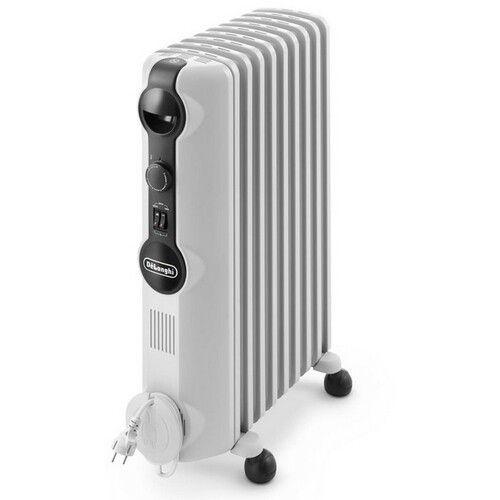
De’Longhi Radia S TRRS0920
2,000W maximum output, adjustable heat settings and castors for moving between rooms.
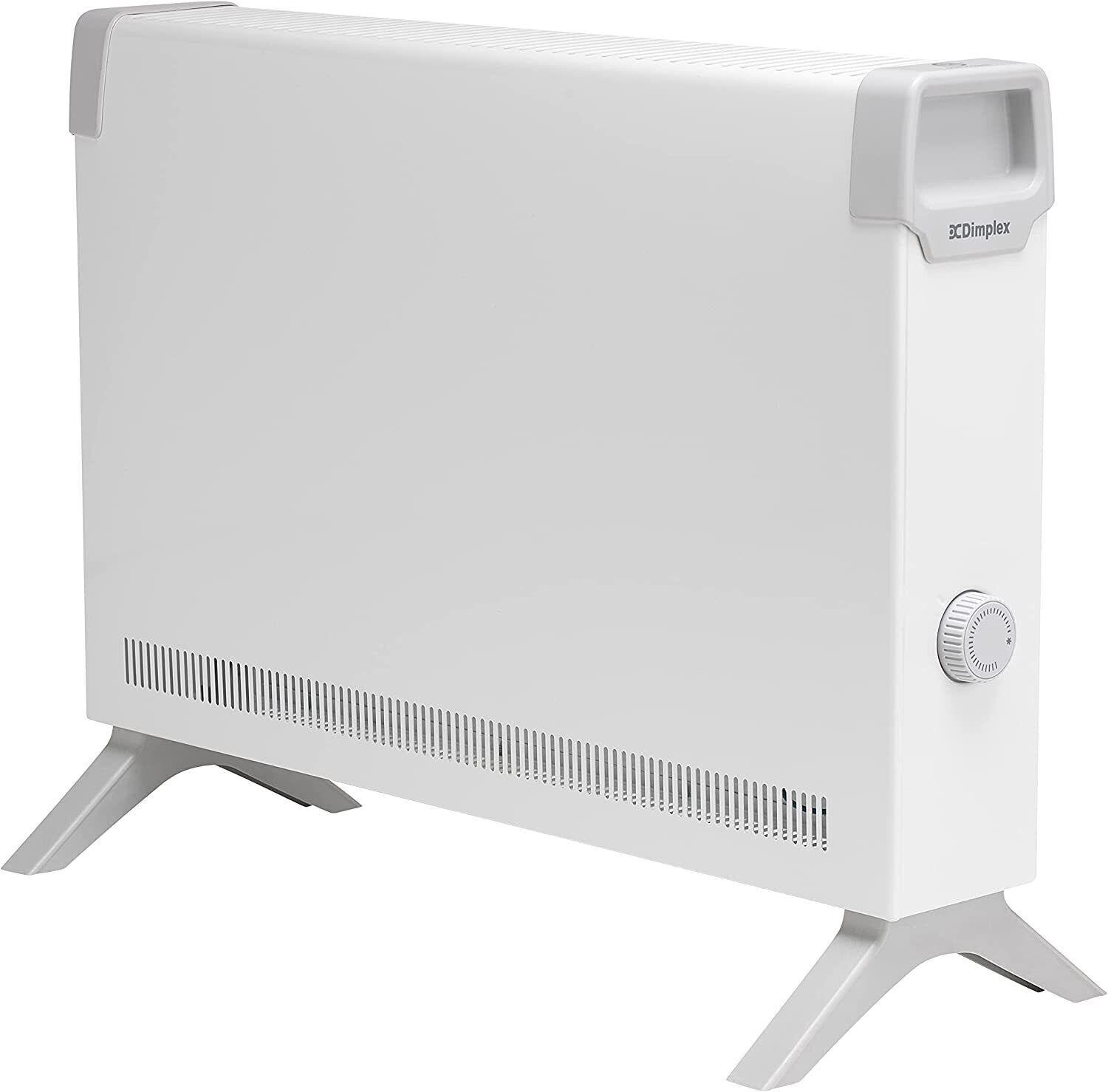
Dimplex ML2T
2,000W convector with rotary thermostat, carry handles and overheat protection.
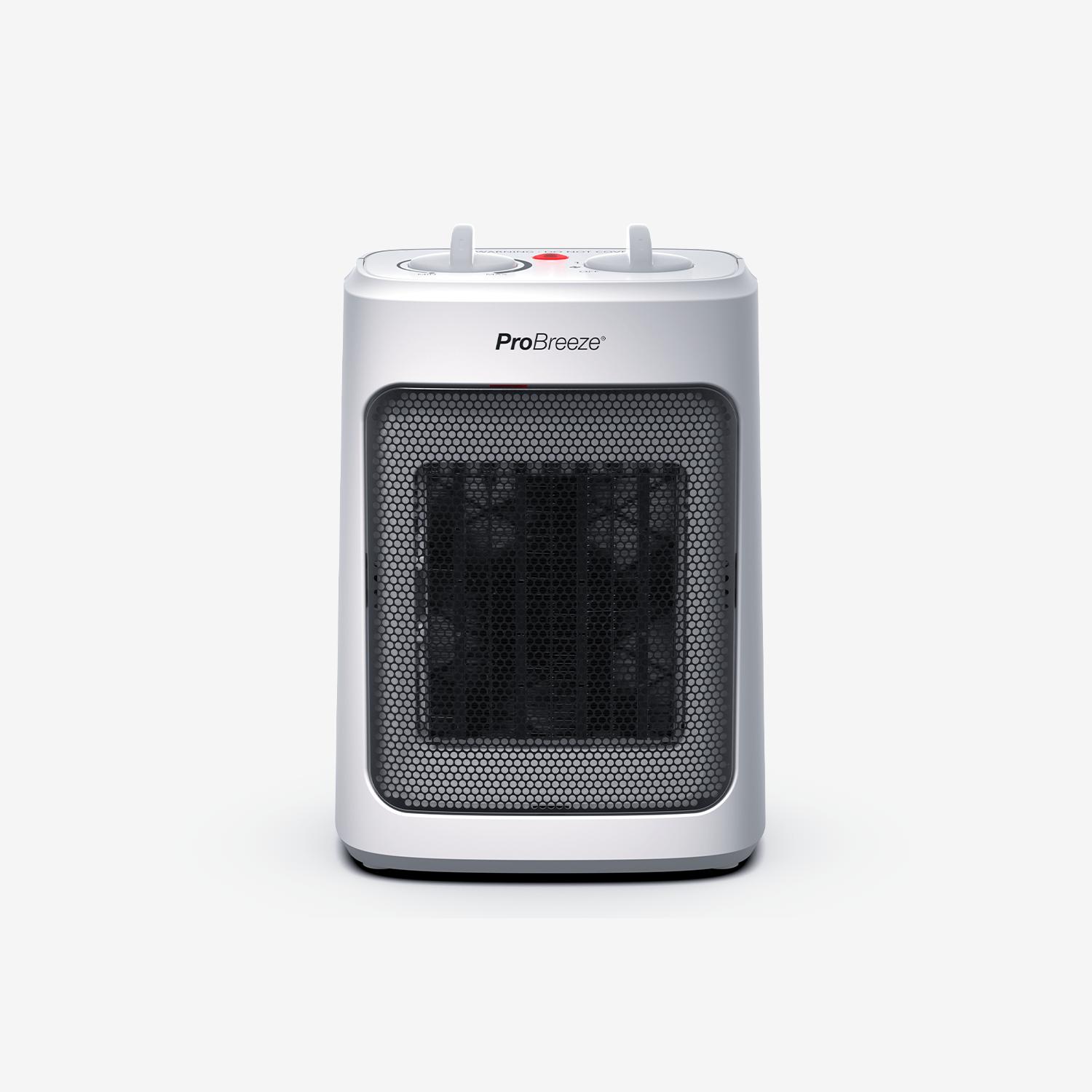
Pro Breeze PB-H-12
Compact 2,000W ceramic heater with thermostat, tip-over switch and overheating protection.
Best Electric Heaters UK — Buying Guide
Compare the De’Longhi Radia S TRRS0920, Dimplex ML2T and Pro Breeze PB-H-12 with verified specifications, practical limitations and running-cost estimates.
More UK heater options
View complete six-model heater guide →
Three additional heater models provide more choice across electronic oil-filled, portable fan and radiant heating. No hands-on testing is claimed.

De’Longhi Dragon 4 TRDX40820E
2,000W radiator with electronic controls and timer; compare with the simpler Radia S.
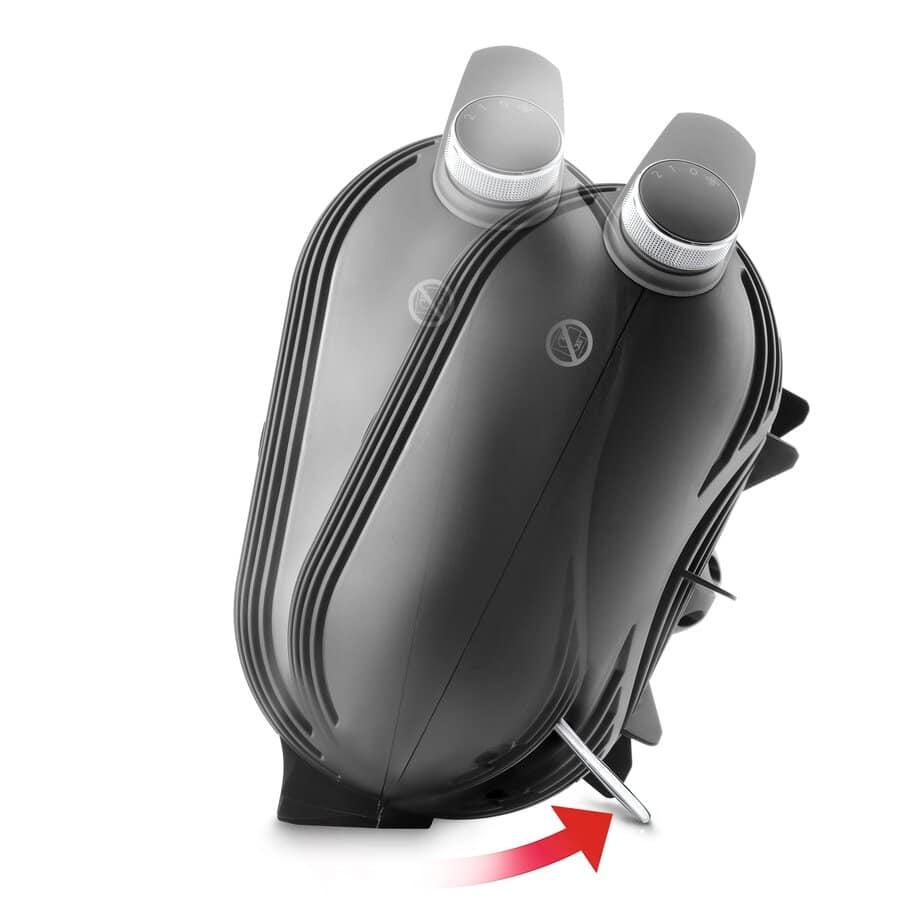
De’Longhi Capsule Hobby HFS30C24.DG
Portable fan heater with directional heating; higher full-power electricity use than 2kW models.

AMOS Halogen Heater
Compact radiant halogen heater with 400/800/1200W settings and oscillation.
Calculate your heater’s running costs
Enter the heater wattage, daily hours, electricity rate and estimated thermostat cycling to see personalised electricity costs.
How much does an electric heater cost to run?
Using Ofgem’s Great Britain average electricity price-cap unit rate of 26.32p/kWh for October–December 2026, estimated electricity costs at continuous full power are:
| Rated power | 1 hour | 4 hours |
|---|---|---|
| 500W | £0.13 | £0.53 |
| 1,000W | £0.26 | £1.05 |
| 1,500W | £0.39 | £1.58 |
| 2,000W | £0.53 | £2.11 |
Formula: kW × hours × electricity unit price. Actual tariffs vary by region and payment method; thermostat cycling reduces full-power hours. Estimates exclude existing standing charges.
What matters before you buy
Wattage & running time
Higher wattage means a higher maximum cost per hour. Room insulation and thermostat-controlled runtime matter too.
Thermostat & controls
A reliable thermostat, timer and understandable settings can help avoid heating longer than intended.
Noise & placement
Fan heaters make airflow noise; radiators and convectors have different placement requirements. Consult the manufacturer’s manual.
Safety protections
Check appropriate tip-over and overheating safeguards, a UK plug and a reputable seller. Follow clearance instructions.
Portable heater safety comes first
Keep combustible items at least one metre away, plug directly into a wall socket rather than an extension lead, never dry clothes on or near a heater, and do not leave a portable heater operating unattended or while asleep. Buy from reputable UK retailers.
Related Airmestra resources
Dehumidifier vs Heater
Learn why warming a room and removing moisture are different solutions.
Dehumidifier Running Cost Calculator
Compare the estimated electricity cost of moisture-control equipment.
Common questions
Are oil-filled radiators always cheaper to run?
No. At the same electrical wattage and runtime, resistance heaters have broadly similar electricity costs. Controls, cycles, room conditions and practical usage can differ.
Will a portable electric heater heat my whole house?
Portable heaters are normally best used as supplementary or room-specific heating. Heating a whole property this way can be costly compared with other systems.
Can I use an electric heater to dry laundry?
Never drape clothes on a heater or position laundry close to it. Follow manufacturer clearances and consider ventilation or moisture management instead.
Editorial note: This category currently covers heater types, operating costs and safety. Individual “best heater” recommendations will follow only after model specifications, availability and original imagery are verified. We do not claim hands-on testing. References: Energy Saving Trust, Ofgem, and Electrical Safety First.