
AIR PURIFIERS · UK GUIDES
Air Purifiers: Buying Guides, Comparisons & Advice for UK Homes
Air purifiers can help reduce airborne particles such as dust, pollen and pet dander, while models with activated carbon can also help with some odours and gases. This Airmestra hub brings together practical UK buying advice, comparisons and room-by-room guidance.
We focus on useful specifications such as CADR, room size, filter type, noise, energy use, replacement-filter cost and warranty rather than marketing claims alone.
Start Here

Best Air Purifiers UK
Our main 2026 buying guide with practical picks for different room sizes and budgets.

Air Purifier vs Dehumidifier
See which appliance is right for dust and allergens versus damp, condensation and humidity.
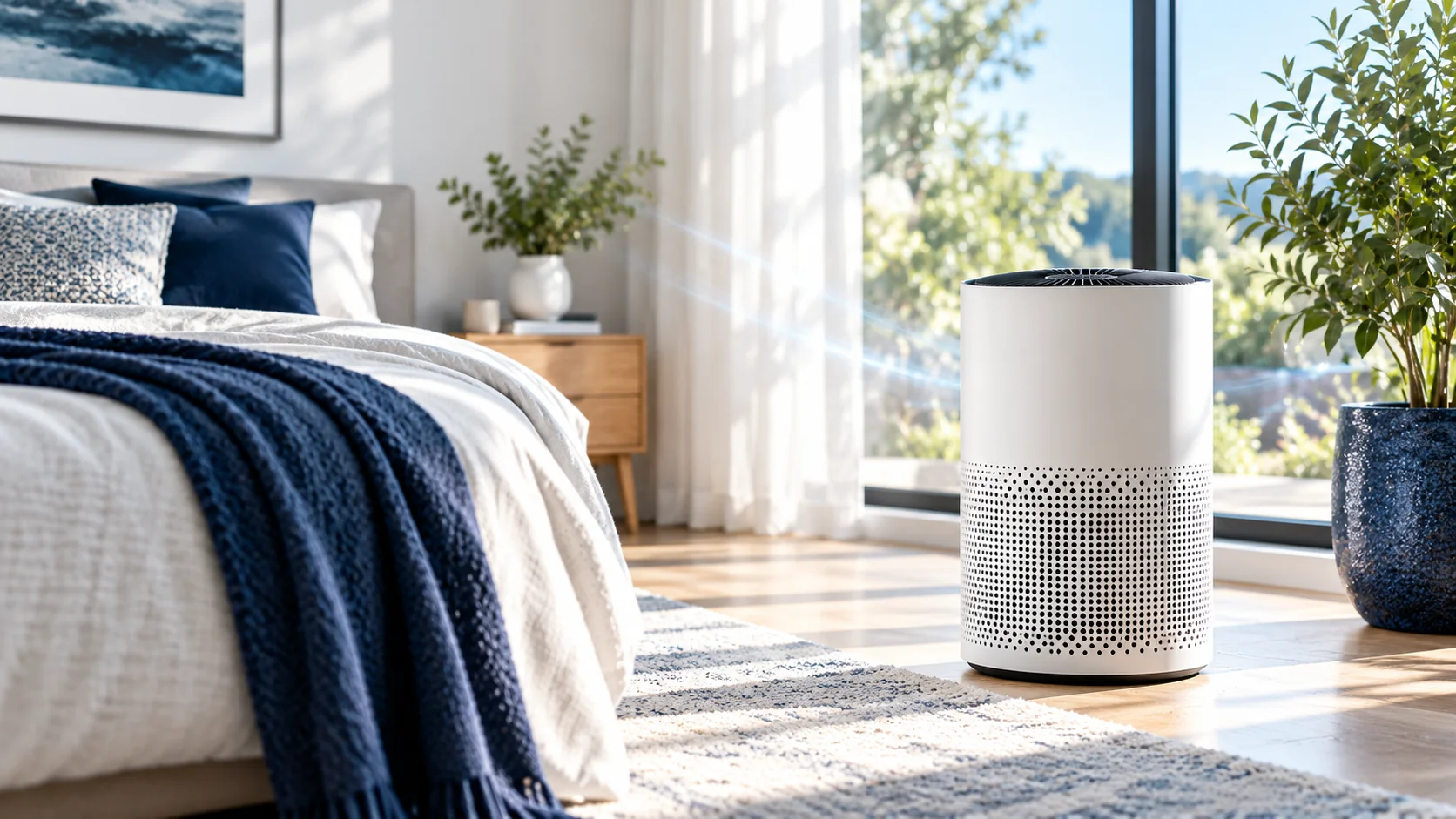
Best Air Purifiers for Allergies UK
Allergy-focused picks for pollen, dust and pet dander, with CADR and filter guidance.
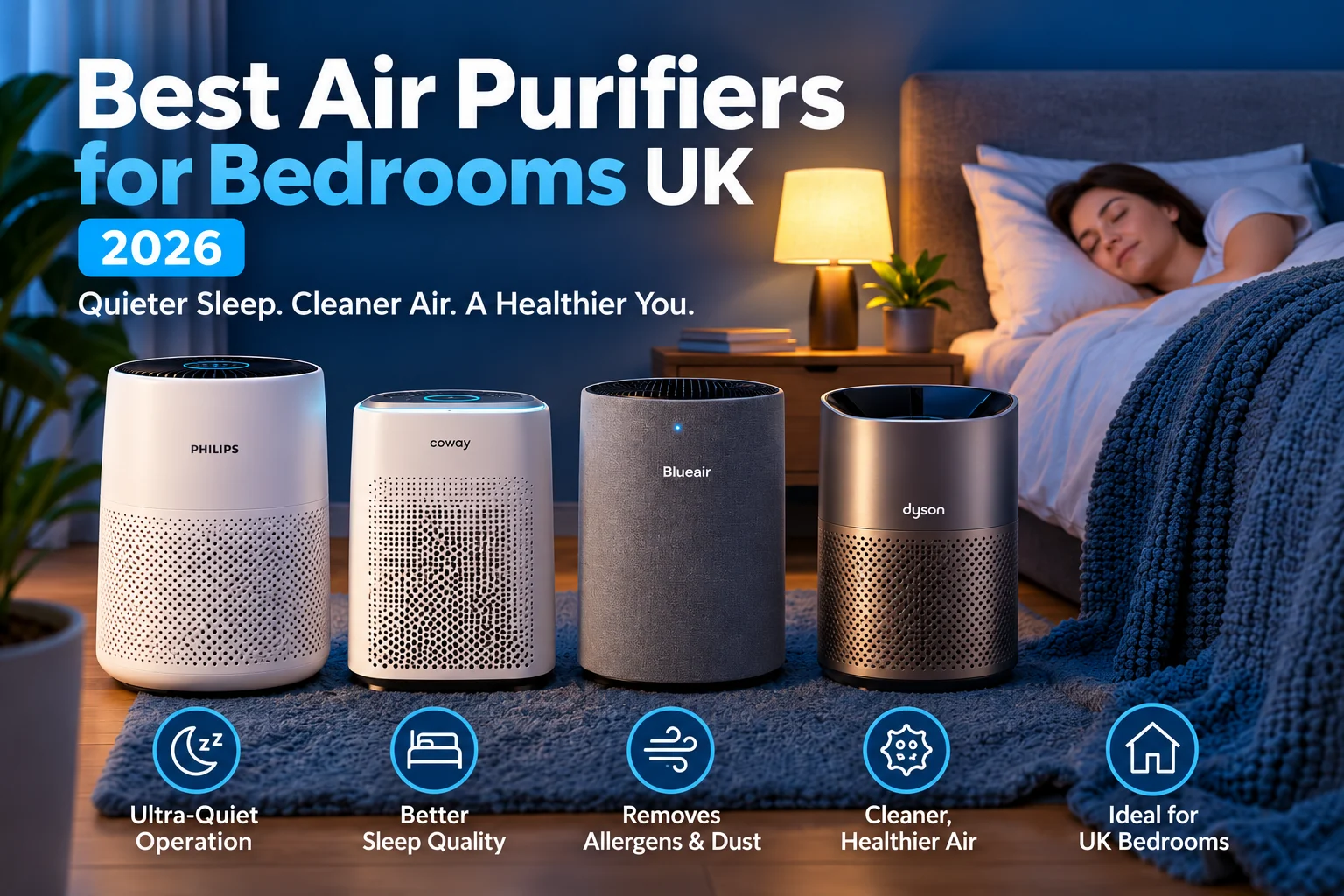
Best Air Purifiers for Bedrooms UK
Quiet bedroom picks focused on sleep-mode noise, useful CADR, dark-room controls and filter costs.

Best Air Purifiers for Pets UK
Pet-focused picks for dander, hair, dust and odours, with CADR and filter guidance.
Choose by Use Case
Allergies: prioritise strong particle filtration, useful CADR and sensible replacement-filter costs.
Bedrooms: look for genuinely low sleep-mode noise, dimmable displays and suitable CADR for the room.
Pets: particle filtration helps with dander, while activated carbon is useful when odour control matters.
Dust: focus on enough airflow and CADR for the room, plus easy-to-maintain pre-filters.
How to Choose an Air Purifier
CADR: one of the most useful performance figures. Higher CADR means the purifier can process more clean air per hour.
Room size: manufacturer coverage claims are not always measured the same way, so compare CADR alongside the stated room size.
Filter type: particle filters are for airborne particles; activated carbon is useful for odours and some gases.
Noise: particularly important in bedrooms and home offices. Check the lowest and highest published figures.
Replacement-filter cost: a cheap purifier can become expensive if filters are costly or need frequent replacement.
Energy use: air purifiers often run for long periods, so wattage matters.
Warranty: useful when comparing similarly priced models.
Air Purifier vs Dehumidifier
An air purifier and a dehumidifier solve different problems. A purifier moves room air through filters to reduce airborne particles. A dehumidifier removes moisture from the air to reduce relative humidity.
If your main issue is condensation, damp or excess humidity, start with our Best Dehumidifiers UK guide. If the main concern is pollen, dust, pet dander or other airborne particles, an air purifier is the more relevant appliance.
In some homes both can be useful, especially where moisture problems and airborne particles exist together.
Popular Air Purifier Brands in the UK
Airmestra’s first-wave UK air purifier coverage will include models from Levoit, Coway, Blueair, Philips, Dyson and Shark. Rather than recommending a brand simply because it is well known, we compare each model’s published CADR, filtration, noise, energy use, filter cost, warranty and UK availability.
Common Questions
Do air purifiers really work?
A correctly sized purifier with effective filtration can reduce airborne particles while it is running. Results depend on room size, airflow, filter quality, placement and how often the unit operates.
Are air purifiers worth it in the UK?
They can be useful when the goal is reducing airborne dust, pollen, pet dander or other particles. Value depends on buying a correctly sized model and factoring in replacement filters as well as the purchase price.
Can an air purifier help with mould?
An air purifier can capture some airborne mould spores, but it does not fix the moisture source that allows mould to grow. Persistent mould or condensation usually requires dealing with humidity, leaks or ventilation as well.
How long should an air purifier run each day?
Many modern purifiers are designed for extended or continuous use. Auto modes can reduce fan speed when particle levels fall, which can help balance filtration, noise and energy use.
Airmestra Air Purifier Guides
We are building this section around practical UK buying questions rather than publishing a large number of near-duplicate pages. The next guides will cover the best air purifiers in the UK, room sizing, allergies, bedrooms, pets, dust, HEPA versus carbon filtration and air purifiers versus dehumidifiers.
Research disclosure: unless a page specifically says otherwise, Airmestra comparisons are based on current published manufacturer and retailer information rather than hands-on testing. Specifications, prices and availability can change.